
Stages
Every Backseat Rally stage mapped end-to-end: forest sprint, snowy pass, cherry-blossom road and the rain and mud specials, with gold time targets and route tips.
Introduction
Backseat Rally contains 5 stages, and each one tests a different skill. The forest sprint wraps you in tight tree-lined corners where the callout rhythm matters most; the snowy pass drops grip dramatically on compacted snow; the cherry-blossom road rewards long sweeping corners with flat-out sections; the rain stage lengthens every braking zone; and the mud cross punishes over-eager throttle with momentum-heavy off-road lines. Gold medal targets sit at the heart of stage mastery — beat the target and earn the medal plus a bigger Credits payout. Weather interacts with every route, so the same stage can feel completely different in the dry and in the snow. This page maps every stage end-to-end with route tips, tricky corners and the weather combinations that make them harder, so you can practice with a plan instead of crashing through trial and error.
Stage Quick Reference
| Stage | Tier | Signature Challenge | Key Skill |
|---|---|---|---|
| Forest Sprint | S | Tight tree-lined corners | Callout rhythm |
| Snowy Pass | A | Compacted snow, low grip | Early braking |
| Cherry-Blossom Road | A | Long sweeping corners | Flat-out sections |
| Rain Stage | B | Wet tarmac braking zones | Weather lines |
| Mud Cross | B | Off-road ruts and momentum | Momentum management |
Route Breakdown
Forest Sprint
The tight, tree-lined opener that teaches the callout rhythm
Snowy Pass
Low-grip compacted snow that demands early braking
Cherry-Blossom Road
Long sweeps and flat-out sections reward confident drivers
Rain Stage
Wet tarmac that rewrites every braking zone
Mud Cross
Off-road ruts where momentum beats frantic steering
Core Mechanics
Stage progression in Backseat Rally teaches one skill per route. The forest sprint is your training ground for the callout rhythm: the co-driver announces every tree-line corner before it arrives, and your job is to trust the call and brake at the right moment. The snowy pass then forces early braking because grip disappears on compacted snow. The cherry-blossom road combines long sweeps and flat-out straights, rewarding the confidence you built on earlier stages. The rain stage changes braking physics — wet tarmac lengthens the stopping distance, so a corner that was easy in the dry demands a completely different line. The mud cross closes the set with momentum management: keep the speed up and pick the clean off-road line, because wheelspin loses precious seconds. Each stage also has gold and medal time targets, and the weather on a given day can push a comfortable time far out of reach, which keeps stage mastery fresh.
Advantages
Mapping all 5 stages on one page gives you a complete practice plan and saves wasted laps. Instead of blindly repeating each route, you know exactly which skill stage one teaches, which corners punish hard, and where the flat-out sections reward brave throttle. The gold time targets give you a concrete goal, and the weather notes tell you when to change your strategy — no more sinking three laps into a snow run that needed dry lines. Knowing the signature challenge of each stage also helps you choose the right car: the grip master dominates the snow pass, the speed specialist owns the straights, and the balanced racer works everywhere. For players chasing medals, having all the targets listed in one place turns stage practice from guesswork into a checklist, and the difficulty order helps new players progress without frustration.
Challenges
The main weakness of stage guides is that exact medal targets and the trickiest lines are community-reported rather than officially published, and they can shift after updates. Weather also makes any guide less deterministic — a corner that is easy in the dry becomes a spin machine in the rain, so a single static route map cannot capture every condition. New players may also find stage order misleading: the forest sprint is easy, but the jump to the snowy pass feels abrupt because grip changes so much. The mud cross can be frustrating for players who expect traditional racing lines, because momentum over grip changes everything. Check the Updates page for balance changes and treat medal targets as goals to beat rather than fixed records, since the community may refine them over time.
Frequently Asked Questions
What is the easiest stage to start with?+
How do I get gold on the snowy pass?+
Why does the rain stage feel so much harder?+
Quick Tips
Learn one stage completely before hopping to the next. The forest sprint teaches the callout rhythm that every other route depends on, and those skills transfer directly. Chasing gold times on all five stages at once spreads your practice too thin and slows your overall progress toward the medal rewards.
Check the weather before a stage runs. A dry gold time is not a fair goal in rain or snow, so adjust your personal target and practice the corner lines instead. When the game rotates weather, treat it as a free lesson in grip management rather than a wasted session.
Use medal targets as motivation between car upgrades. Beating gold on an easier stage earns Credits toward the next car, which then unlocks better times on harder stages. This simple loop of practice, medal and upgrade is the fastest way to climb the stage leaderboard, because every improvement pays for the next one instead of forcing you to grind aimlessly.
Featured

Backseat Rally All Stages: Maps, Order, and Track Types
Explore every Backseat Rally all stages entry, including forest, snow, and cherry blossom tracks, with map details and the right order for new racers.
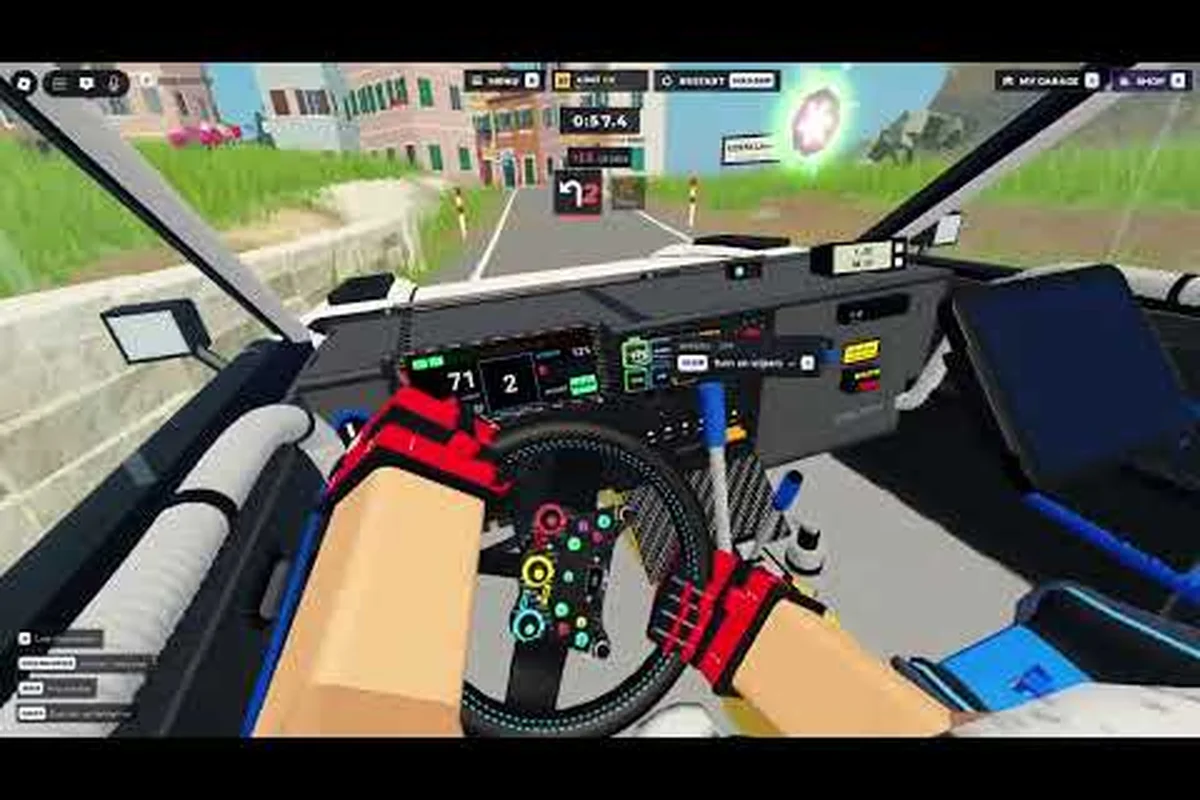
Backseat Rally Driving Line: Records, Times, and Route Map Guide
Find the perfect Backseat Rally driving line on every course with snow and forest route tips, stage records, and map cues that save time.
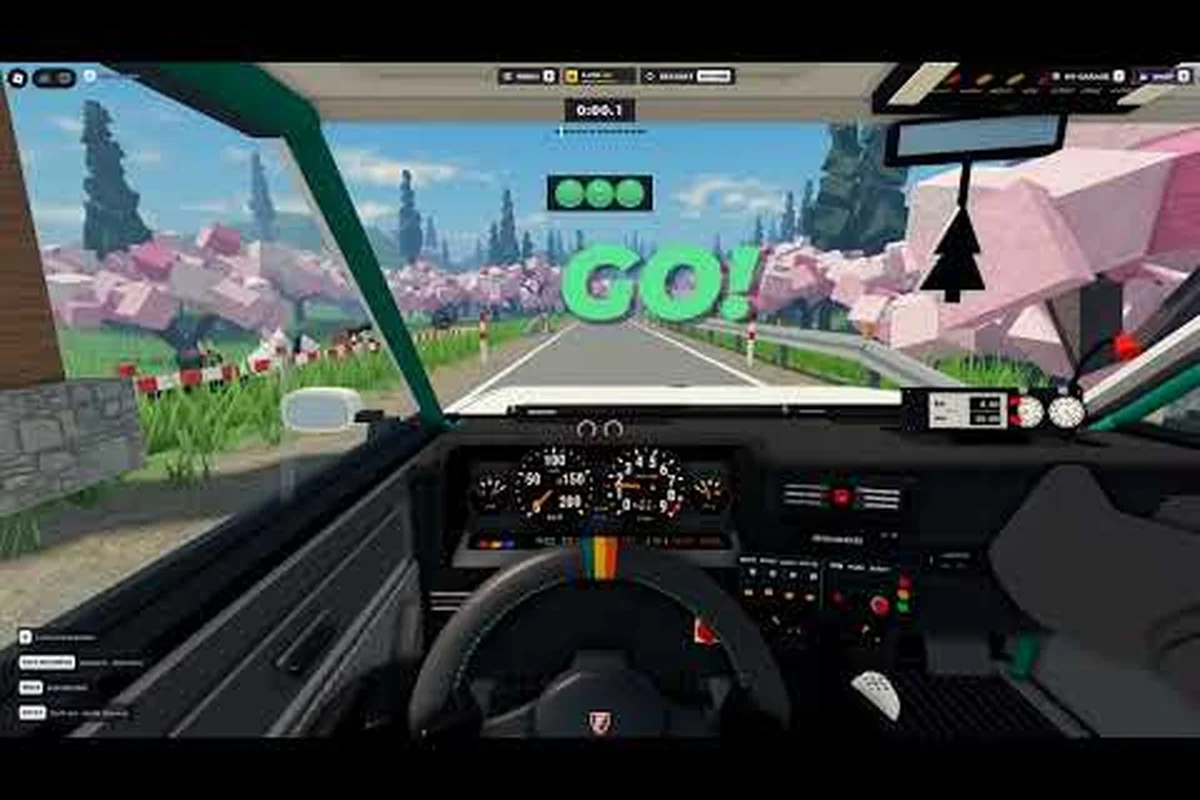
Backseat Rally Level List: Courses, Maps, and Stage Tactics
Browse the full Backseat Rally level list of courses and maps, with stage tactics that help you master every route from the first lap to the last.
All Articles
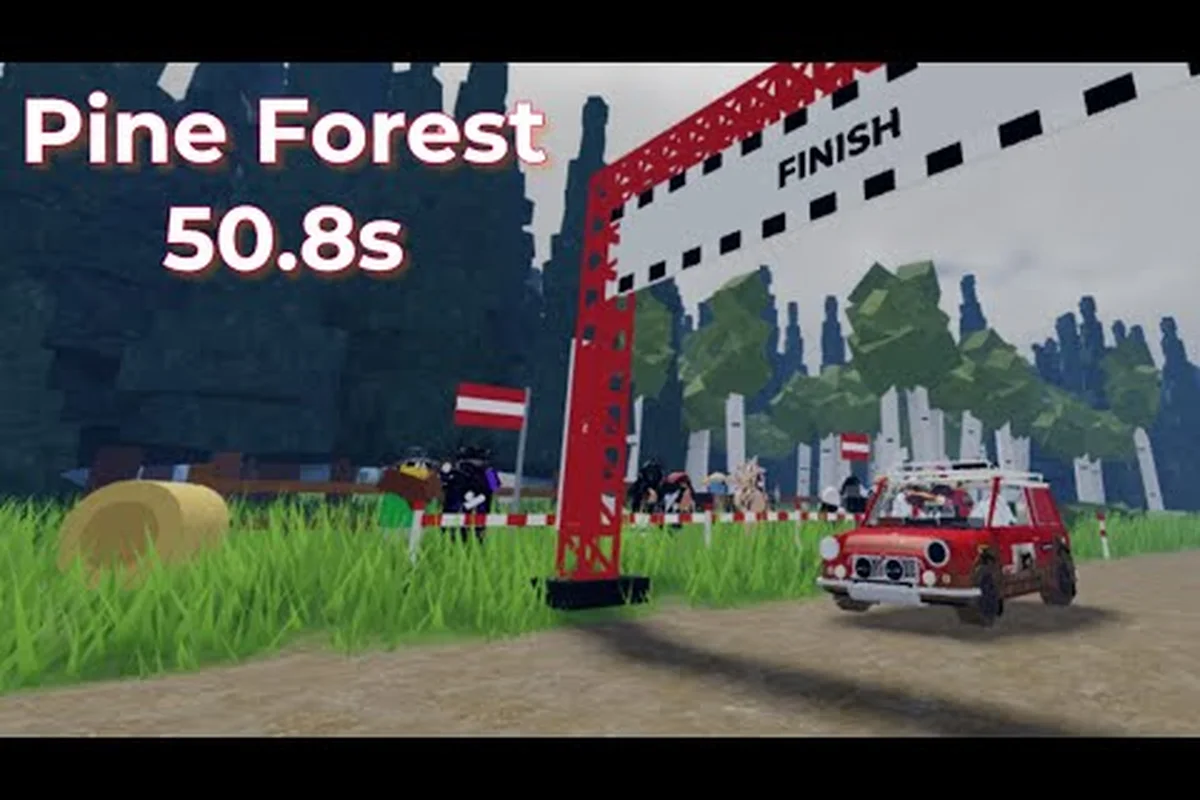
Backseat Rally Off Road Stage: Weather, Difficulty, and Medals
Conquer the Backseat Rally off road stage with weather-specific tactics, difficulty breakdowns, and medal strategies across mountain and cherry blossom routes.
Backseat Rally Rain Stage: Wet Lines and Medal Strategies
Conquer the Backseat Rally rain stage with wet racing lines, mud-handling tactics, and medal strategies for clean checkpoints in storm conditions.

Backseat Rally Route Tips: Best Lines, Corners, and Unlocks
Learn Backseat Rally route tips for the fastest path through every hairpin and corner, plus the unlock order that opens the best tracks first.
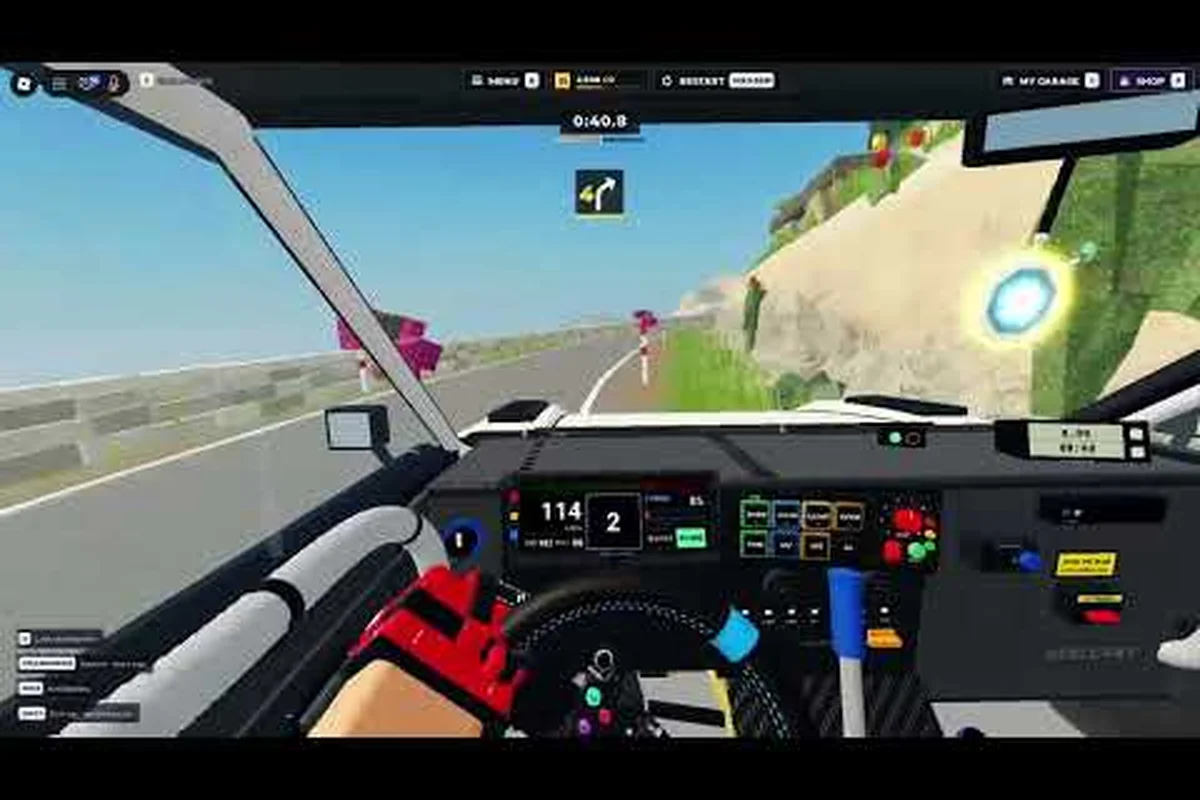
Backseat Rally Stage 1: Stages 1–5 Walkthrough and Shortcuts
Clear Backseat Rally stage 1 through stage 5 with a full walkthrough of each course layout, difficulty spike, and the shortcuts worth taking.