
Cars
Every Backseat Rally car with stat profiles, tier rankings and unlock advice. Compare top speed and handling to pick the right ride for each stage.
Introduction
Backseat Rally ships with 7 cars, and every one of them changes how a stage feels. The community stat profiles split the garage into clear archetypes: a balanced all-rounder for general racing, a top-speed specialist for long straights, a grip-focused car for snow and hairpins, a friendly starter for new drivers, a budget coupe for early Credits, and a couple of low-stat vehicles that are best saved as collection pieces. Because car names and exact stats are mostly community-reported rather than officially published, we describe each car by its role and stat profile instead of inventing precise numbers. This page gives you the full garage with unlock advice and stage recommendations, so you know which Credits to spend first and which cars to skip until you are farming comfortably. Read the tier list page for the deeper rankings and the reasoning behind each one.
Garage Quick Reference
| Car | Tier | Top Speed | Handling | Best For |
|---|---|---|---|---|
| Balanced Racer | S | High | High | Stage records and all-round racing |
| Top-Speed Sprint | A | Very High | Low | Long straight sections |
| Grip Master | A | Balanced | Very High | Snowy pass and hairpins |
| Starter Rally | B | Medium | Medium | Learning the basics |
| Budget Coupe | B | High | Low | Early Credits farming |
| Snow Chugger | C | Low | Medium | Low grip practice |
| Classic Clunker | C | Low | Low | Collection only |
Garage Breakdown
Balanced Racer
The S-tier all-rounder that performs on every stage
Top-Speed Sprint
Very high top speed for open, straight-heavy sections
Grip Master
Very high handling for snow, mud and tight corners
Starter Rally
The forgiving first car that teaches you the routes
Budget Coupe
High speed on a small Credits budget
Snow Chugger
Low stats with a hint of grip for low-G conditions
Classic Clunker
The slowest ride, best saved for the garage display
Core Mechanics
Cars in Backseat Rally are purchased with Credits (CR) and differ mainly in two performance axes: top speed and handling. Top speed decides how fast you can go on long straights, while handling decides how confidently the car takes corners, hairpins and low-grip surfaces. A balanced car performs well everywhere, which is why it tops the tier list for overall play. Specialists trade one axis for the other — the top-speed sprint is quick on straights but drifts wide in the snow, while the grip master stays planted on the pass but loses ground on open roads. The starter and budget cars sit comfortably below the specialists but cost much less Credits, so they are perfect for new players who are still learning braking points. Because weather changes grip, a car that feels fine in the dry can feel very different in rain or snow, which makes the garage choices part of the strategy, not just the shopping list.
Advantages
Having all 7 cars documented on one page saves you Credits and frustration. Instead of buying a car blind and regretting it, you can read the stat profiles and pick the vehicle that matches the stages you actually race. The tier values make the choice even easier: S and A cars are worth saving for, B cars are fine early buys, and C cars are transparently bad value beyond collection. The stage recommendations tie each car to its best route, so you know exactly where your Credits go furthest. New players benefit most because the budget path — starter to budget coupe — is clearly marked, while veterans can compare the two A-tier specialists before making an expensive purchase. The page also explains which cars handle weather changes, which saves you from buying a speed specialist right before a week of snow stages.
Challenges
The honest limitation of the Cars page is that most stats are community-reported rather than officially published, so exact numbers can shift after a balance update. Car names come from community aggregators and may not match an official naming scheme if the developer later names them differently. Tier rankings are opinions based on stat profiles and typical stage layouts, and your own driving style can make one car feel better than its ranking suggests. A speed specialist still beats a balanced car on a straight-heavy stage even if it ranks lower overall, so treat the tiers as guidance rather than law. Before spending a large amount of Credits on an S or A car, check the Updates page for any balance changes announced by the developer.
Frequently Asked Questions
Which car should I buy first?+
Can I unlock all cars without spending real money?+
Why is the Balanced Racer rated S tier?+
Quick Tips
Match the car to the stage you race most. If you spend most of your time on the snowy pass, the Grip Master is worth more than a speed specialist, even though both are A tier. Check your race history before spending big Credits on a car that shines somewhere you rarely drive.
Do not buy a C-tier car with Credits you need for upgrades. The Snow Chugger and Classic Clunker are best treated as collection pieces once you have a healthy Credits balance and nothing better to buy. Spending early Credits on them stalls your progress toward the cars that actually win races.
Compare top speed and handling as a pair, not separately. A car with very high speed but low handling drifts wide in corners, so the speed rarely pays off on technical stages. The balanced stat lines are the safest first purchases because they forgive mistakes while you are still learning the routes.
Featured
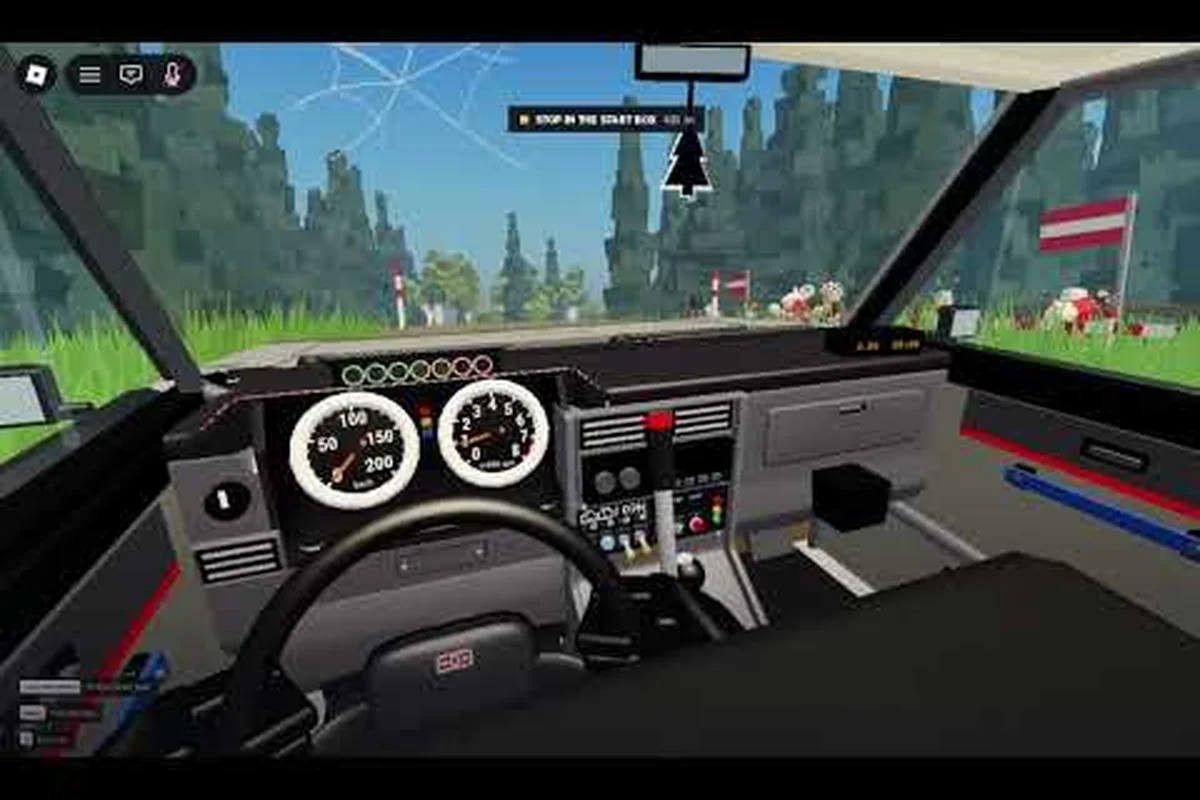
Backseat Rally Buy Cars: Prices, Picks, and Best Buys
Learn how to buy cars in Backseat Rally, compare prices and stats, and choose a ride that fits your racing style and budget.

Backseat Rally Car Acceleration: Upgrades and Top Speed
Boost your Backseat Rally car acceleration with the right upgrades, cheapest starter picks, and the cost of unlocking the fastest rides.
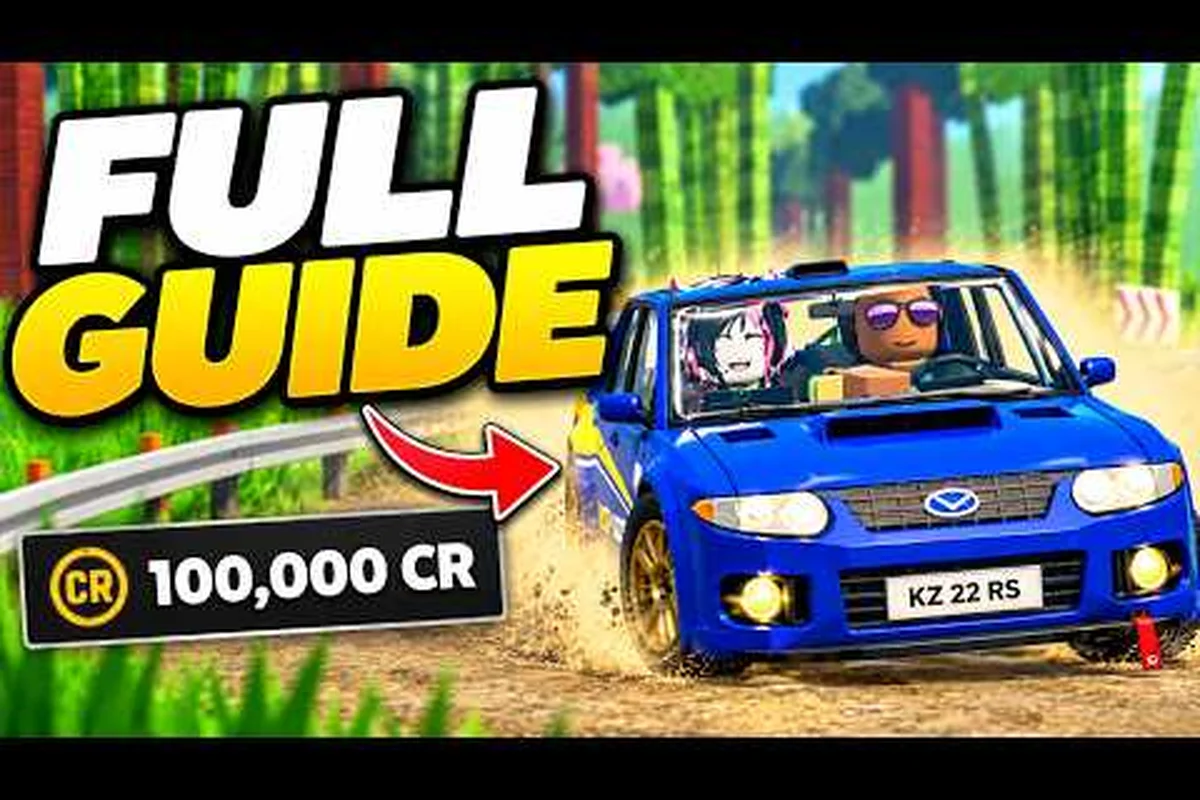
Backseat Rally Car Difference: Cost, Speed, and Selection
Spot every Backseat Rally car difference across all 7 rides—credit costs, fastest unlock, and the selection guide for picking your winner.
All Articles
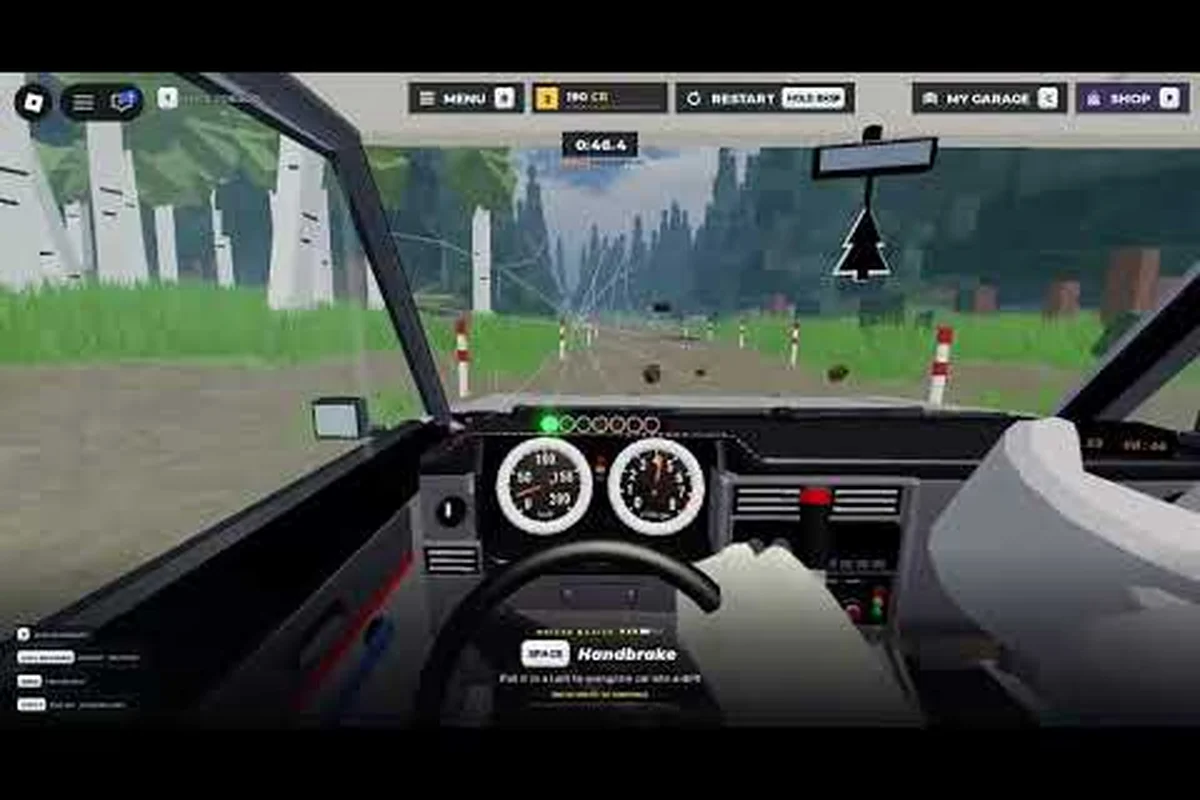
Backseat Rally Cars for Beginners: Easiest First Unlocks
Start strong with Backseat Rally cars for beginners—rally and sports car picks, earning methods, and the first rides to reveal in your garage.
Backseat Rally Cars How Many: Count, Types, and Best Picks
Find out how many cars Backseat Rally has, compare their stats, and choose the best vehicle for medals, racing, and changing weather.
Backseat Rally Vehicle Stats: Tier List and Top Speed
Compare Backseat Rally vehicle stats, top speed tiers, handling rankings, and the 2026 car rotation to determine which car is worth buying first.
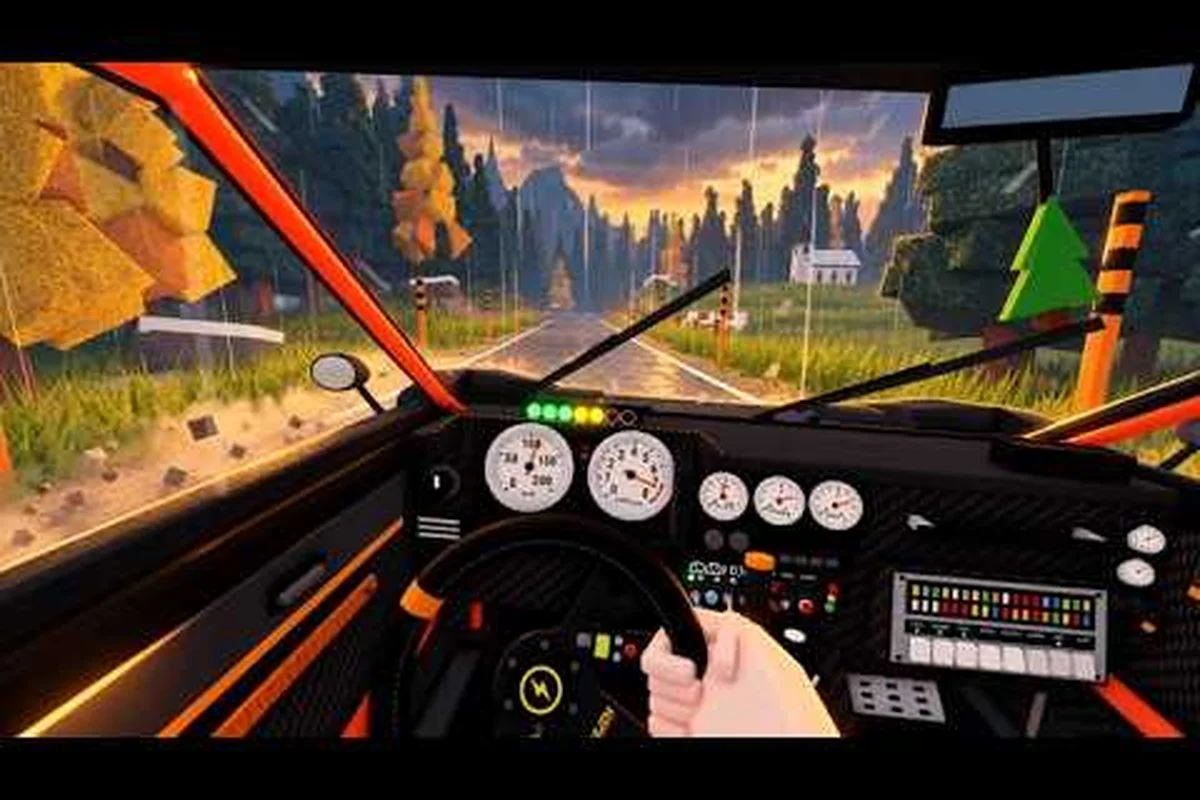
Backseat Rally All Cars: Full Roster, Stats, and Unlocks
Explore the Backseat Rally all cars roster, compare car stats, review prices, and learn which vehicles to buy and how to unlock them.