
Co-Driver
Master the Backseat Rally co-driver role: how to call turns, warn the driver about hazards and make the solo AI co-driver your secret weapon.
Introduction
The co-driver is what makes Backseat Rally special. One player drives with limited forward vision while the partner in the backseat reads the route ahead, calling every turn, hazard and checkpoint before it arrives. The callout language is simple — direction, sharpness, distance and warnings — but the trust it builds is the whole game: a single wrong call can send the car into a ditch, and a great co-driver can make a mediocre driver look like a rally champion. When you play solo, an AI co-driver rides along in your friend's avatar and uses the same callouts, which makes solo practice a perfect training ground. This page covers the two roles, the standard callout protocol, how to build a rhythm with your partner, and how to get the most out of the AI co-driver, so you can turn the backseat into your team's biggest weapon.
Callout Protocol Quick Reference
| Call | Meaning | Example | When |
|---|---|---|---|
| Direction | Left or right turn ahead | "Left three" | Approaching every corner |
| Sharp / Hairpin | Tight corner needing heavy braking | "Sharp right!" | Mountain switchbacks |
| Distance | How far before the corner | "100 metres, left" | Building rhythm |
| Hazard | Obstacles, jumps, grip changes | "Mud ahead" | Rain and mud stages |
| Checkpoint | Progress confirmation | "Halfway" | Long rallies |
Callout Breakdown
Direction Call
The backbone of co-driver communication on every stage
Hazard Call
Warnings that keep the car out of the ditch
Distance Call
Building rhythm with predictable timing
Checkpoint Call
Keeping the team oriented on long rallies
Sharp / Hairpin Call
Heavy-braking corner warnings for the tightest turns
Core Mechanics
The co-driver role works because driver and navigator specialize. The driver's forward vision is limited, so they cannot see the route ahead — that is the co-driver's job. The backseat partner reads a route map or memorizes the stage, then announces each feature in a fixed order: direction first, then sharpness and distance, then any hazard on the surface. The driver converts those calls into braking, steering and throttle decisions. The system works solo too: the AI co-driver rides in your friend's avatar and makes the exact same calls, which means you can practice route memory even when no human is available. Good callouts are early and calm — speak before the corner, not at it, and keep a steady volume so the driver can hear you over the engine. Building a rhythm takes laps: the driver learns to trust the voice, and the co-driver learns the driver's reactions, until the pair runs stages like one person.
Advantages
Mastering the co-driver role makes the whole team faster, not just the driver. A calm, early call gives the driver extra tenths to brake and commit, which compounds into better corner exits and faster stage times. The callout protocol also prevents the biggest race-ending mistake — a driver reacting late because they were surprised by a corner. For solo players, understanding the co-driver role unlocks the AI navigation system: once you know what the AI is calling, you can plan braking points in advance instead of reacting to the voice at the last second. Practicing both roles also makes you a better teammate, because the driver who has sat in the backseat knows exactly what information is useful. The trust built through co-driver practice is the core social hook of Backseat Rally, and mastering it turns random duos into serious podium contenders.
Challenges
The co-driver role has a steep coordination cost. A new pair usually spends their first few laps talking over each other, missing calls and rebuilding rhythm, which feels slow compared to solo practice. The AI co-driver, while reliable, never adapts to a human driver's mistakes, so it will call a corner you already blew without adjusting the plan. Poorly timed calls — too late, too quiet, or too vague — are worse than no calls, because the driver reacts on incomplete information. Voice chat quality also matters: if your partner is too quiet over engine audio, calls get missed exactly when you need them most. Players who skip co-driver practice may find competitive lobbies frustrating, since the trust that wins races cannot be rushed into existence.
Frequently Asked Questions
How does the AI co-driver work?+
What should my first call ever be?+
How do we avoid missing calls?+
Quick Tips
Call corners early, not at the corner. The driver needs half a second to convert your words into braking and steering, and you lose that time every lap if you delay. Practice calling the corner before your partner reaches the braking point, then adjust the timing based on how they react.
Use the exact same words for the same corners every lap. Consistency builds automatic trust — the driver stops consciously parsing your calls and starts reacting on instinct. If you call "sharp right" on lap one and "right hairpin" on lap two, the driver hesitates for a moment that costs you time.
Practice the co-driver role solo before inviting a partner. Run the same stage twice with the AI co-driver: once as a driver to feel the calls, then in the backseat seat yourself to learn what information matters. Knowing both sides makes your human calls dramatically better and your team faster immediately.
Featured

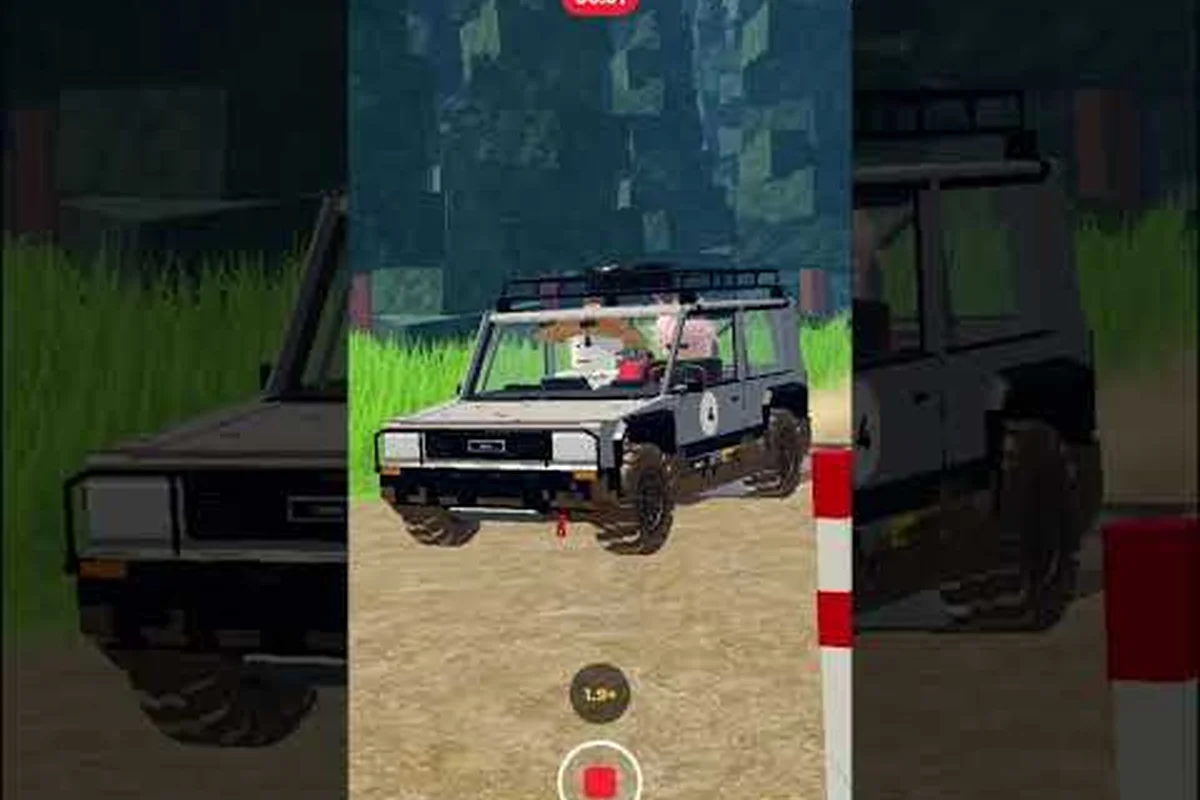
Backseat Rally Backseat Driver: How the Co-driver Role Works
Learn every Backseat Rally backseat driver mechanic, from turning calls and pace readouts to the two-player rhythm that makes co-driver mode work.
Backseat Rally Friend Mode: Duo Setup and AI Callout Tips
Set up Backseat Rally friend mode with co-driver roles, AI callout timing, and duo rhythm tips that turn shared races into cleaner stage wins.

Backseat Rally Local Co-op: Party, Family, and Duo Play
Explore Backseat Rally local co-op with party, family, and duo setups that improve timing, communication, and shared-couch rallies.
All Articles
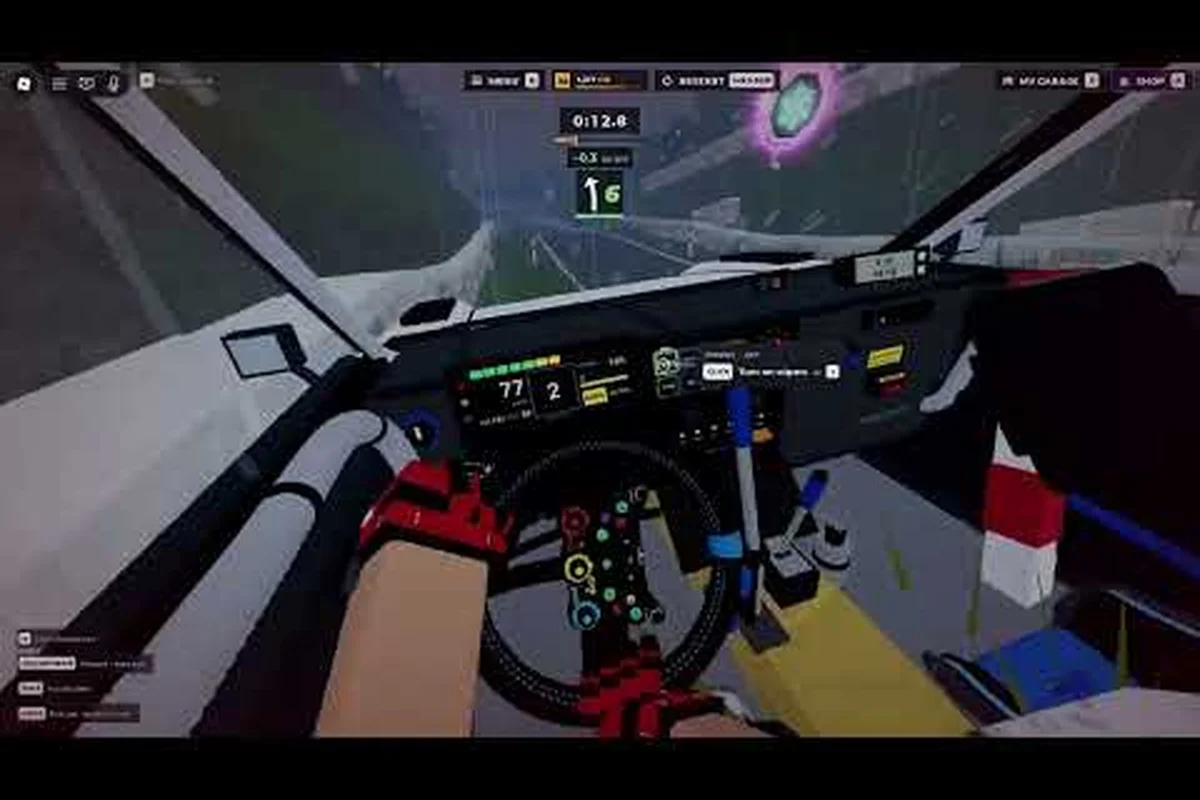
Backseat Rally Solo Mode: AI Co-driver Setup and Pace Tips
Master Backseat Rally solo mode with the right AI co-driver setup, callout timing, and pacing tips that sharpen time trial runs without a human partner.
Backseat Rally Teamwork Guide: Driver and Co-driver Rhythm
Build a winning Backseat Rally teamwork guide rhythm between driver and co-driver with clear call systems, communication tips, and instruction flow that wins stages.
Backseat Rally Trust Game: Duo Guide for Co-driver and Driver
Explore the Backseat Rally trust game duo loop—how to play with a friend, use co-driver AI, and win races through sharp teamwork.
Backseat Rally Vocal Calls: Hazard Warnings and Map Reading
Master Backseat Rally vocal calls with clear hazard warnings, turn signals, and map reading cues that keep your driver on the fastest line through every stage.