
Weather
How rain, mud and snow change Backseat Rally driving: grip loss, braking zones and the weather-aware callouts that keep your car pointing forward.
Introduction
Weather is the hidden difficulty slider in Backseat Rally. The same stage can be easy in the dry and brutal in the rain, mud or snow, because every condition changes how the car grips, brakes and corners. Rain lengthens braking zones and can cause aquaplaning on straights; mud punishes over-eager throttle because momentum matters most; and snow drops grip dramatically, so early braking and gentle inputs keep the car pointing forward. Weather-aware driving is where stage records live — the best drivers do not just adapt to conditions, they plan for them before the race starts. The co-driver plays a role too: weather-specific callouts, like warning about grip changes or puddles, give the driver precious extra time to react. This page breaks down each condition, how it changes the handling physics, and the stage sections where each weather type bites hardest.
Weather Effects Quick Reference
| Condition | Grip | Braking | Cornering | Worst Section |
|---|---|---|---|---|
| Rain | Reduced, aquaplaning risk | Longer zones, brake earlier | Slides on direction change | Wet straights |
| Mud | Wheelspin on throttle | Roll off early, keep speed | Momentum over grip | Ruts and off-road lines |
| Snow | Very low on compacted snow | Brake well before corners | Understeer when pushed | Snowy pass hairpins |
Condition Breakdown
Rain
Wet roads that lengthen every braking zone
Mud
Off-road ruts where momentum beats frantic steering
Snow
Compacted surfaces that demand early braking and gentle hands
Core Mechanics
Weather in Backseat Rally is dynamic and changes the physics of every stage. In the rain, water on the tarmac reduces grip and lengthens braking distances; on long straights the car can aquaplane, briefly losing all steering contact. Your response is to brake earlier, in a straight line, and ease off the throttle through the corners. In mud, the problem flips: wheelspin punishes over-eager throttle, and momentum is the real currency, so you pick the cleanest off-road line and keep the car moving steadily. In snow, compacted surfaces drop grip hard and the car understeers when pushed, so you brake well before corners and use gentle inputs to keep the nose pointed where you want. The co-driver multiplies your weather awareness — a warning about a puddle or a grip change before the corner gives the driver time to adjust, which is often the difference between holding the line and spinning out.
Advantages
Learning the weather system turns you from a good dry-weather driver into a complete one. While most players struggle in the first rain race, you will already know that braking zones are longer and straights may aquaplane, which keeps you on the road when others slide into the barriers. The stage-specific advice — like knowing the mud ruts punish momentum loss, or the snow hairpins reward early braking — lets you plan lap by lap instead of reacting. Weather knowledge also guides your Credits: if you know the snowy pass is coming up, you can buy or upgrade the Grip Master instead of wasting money on a speed specialist. For co-op teams, weather-aware callouts become a real advantage, because the co-driver can warn the driver about grip changes that the limited forward vision cannot reveal until it is too late.
Challenges
Weather is the least predictable part of Backseat Rally, and the exact grip changes are community-tested rather than officially published, so numbers can shift. A condition that feels fine in one session can feel brutal in another because the game may vary intensity within the same run. Weather also punishes players who memorize one set of lines: a dry racing line is often the wrong line in the rain, and unlearning that habit takes time. For new players, the weather stages can feel unfairly hard because the physics change so much from the forest sprint. The AI co-driver does not adapt to conditions either, so you cannot rely on it to warn you about weather-specific danger unless you ask for it. Treat weather as part of the challenge, not a bug, and expect your first wet and snowy runs to be slower while you re-learn the routes.
Frequently Asked Questions
What is the hardest weather to drive in?+
Does weather change the gold medal times?+
How do I avoid aquaplaning in the rain?+
Quick Tips
Adjust your braking points for the condition before you even start the stage. In rain plan to brake earlier, in mud plan to carry speed through the ruts, and in snow plan to brake very early and trail off gently. Setting the expectation before the launch prevents the panicked, late braking that causes most weather crashes.
Tell your co-driver to include weather in their calls. A simple "wet on the approach" or "mud on the inside" before the corner gives you time to adjust, which is more valuable than any exact braking number. Weather-aware calls are the co-driver skill that separates good duos from great ones.
Use the weather forecast to plan your Credits spending. If a snow-heavy rotation is coming, invest in the Grip Master before the snowy pass runs; if the schedule is dry, a speed specialist pays off on the open stages. Buying the car for the conditions, not just the tier, is how you stay ahead.
Featured
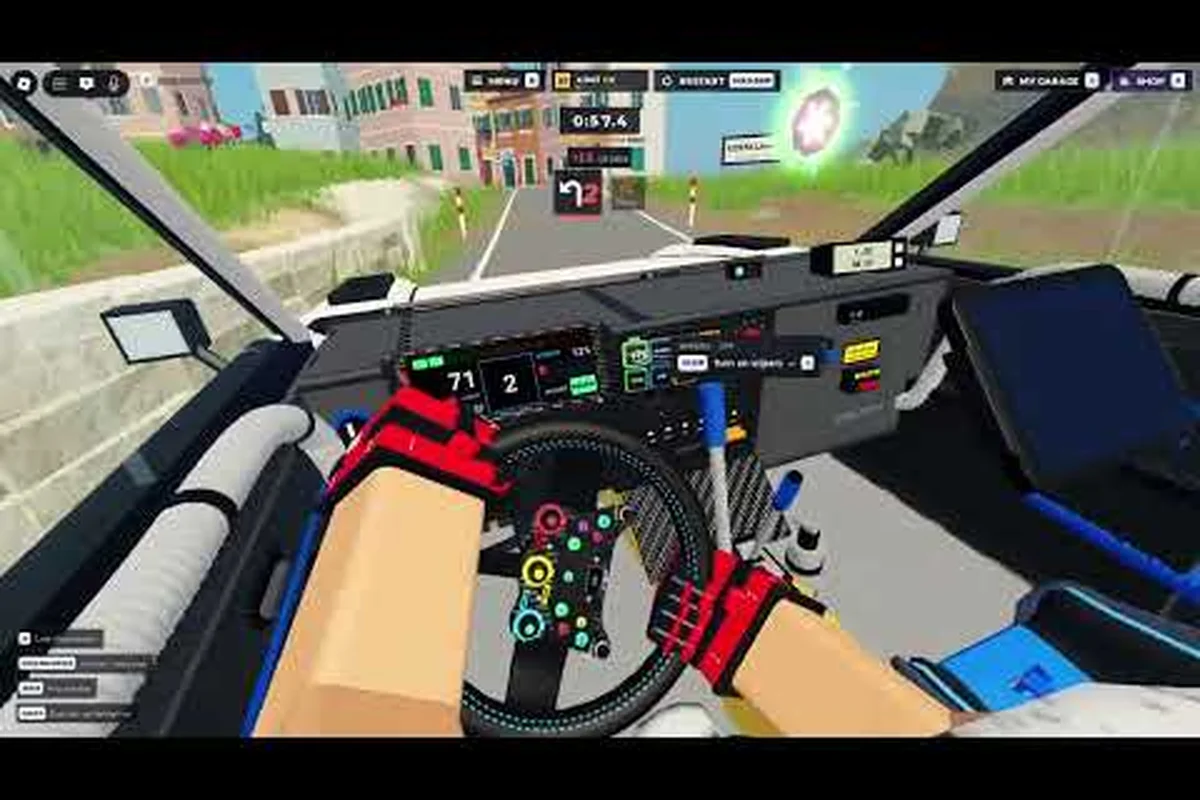
Backseat Rally How Weather Works: Penalties and Braking
Learn how Backseat Rally weather works, from rain speed drops to snow braking distance and mud cornering penalties that shape every condition callout.
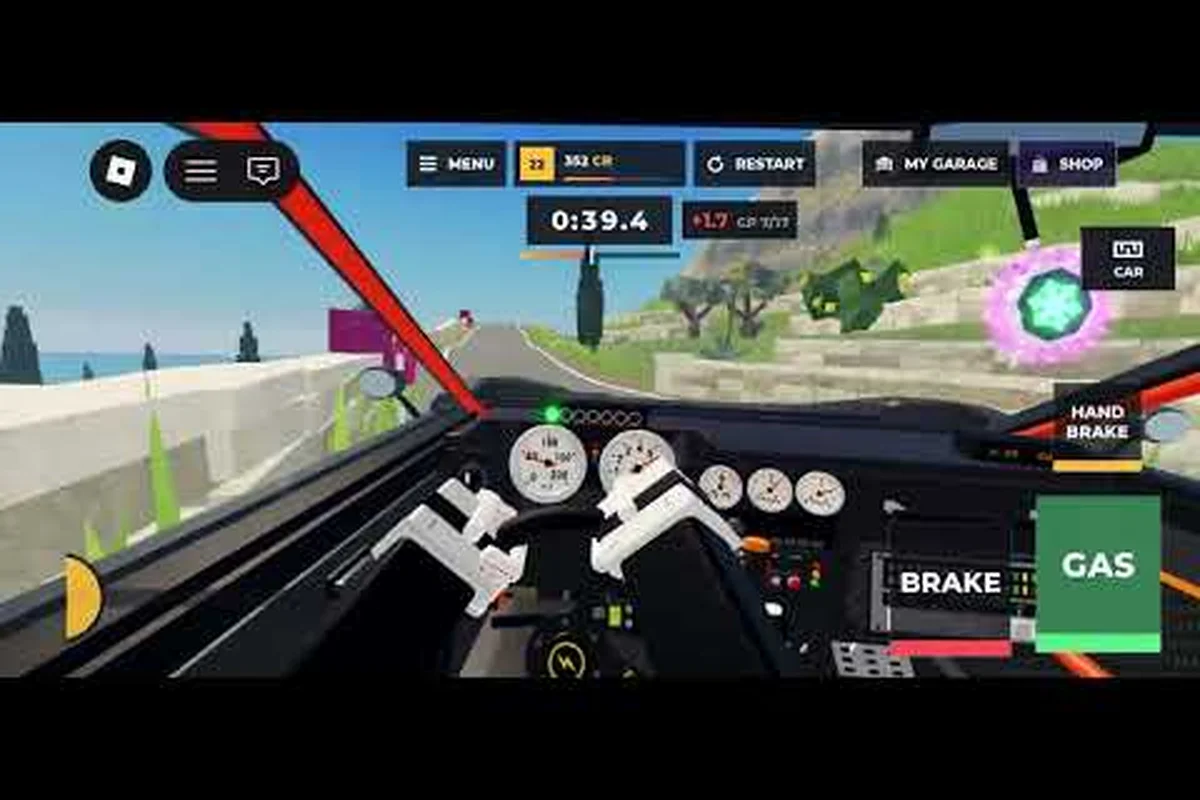
Backseat Rally Dynamic Weather: Terrain, Gravel, and Routes
Adapt to Backseat Rally dynamic weather across terrain, gravel, snow, and rain routes with practical off-road techniques that preserve grip and control.
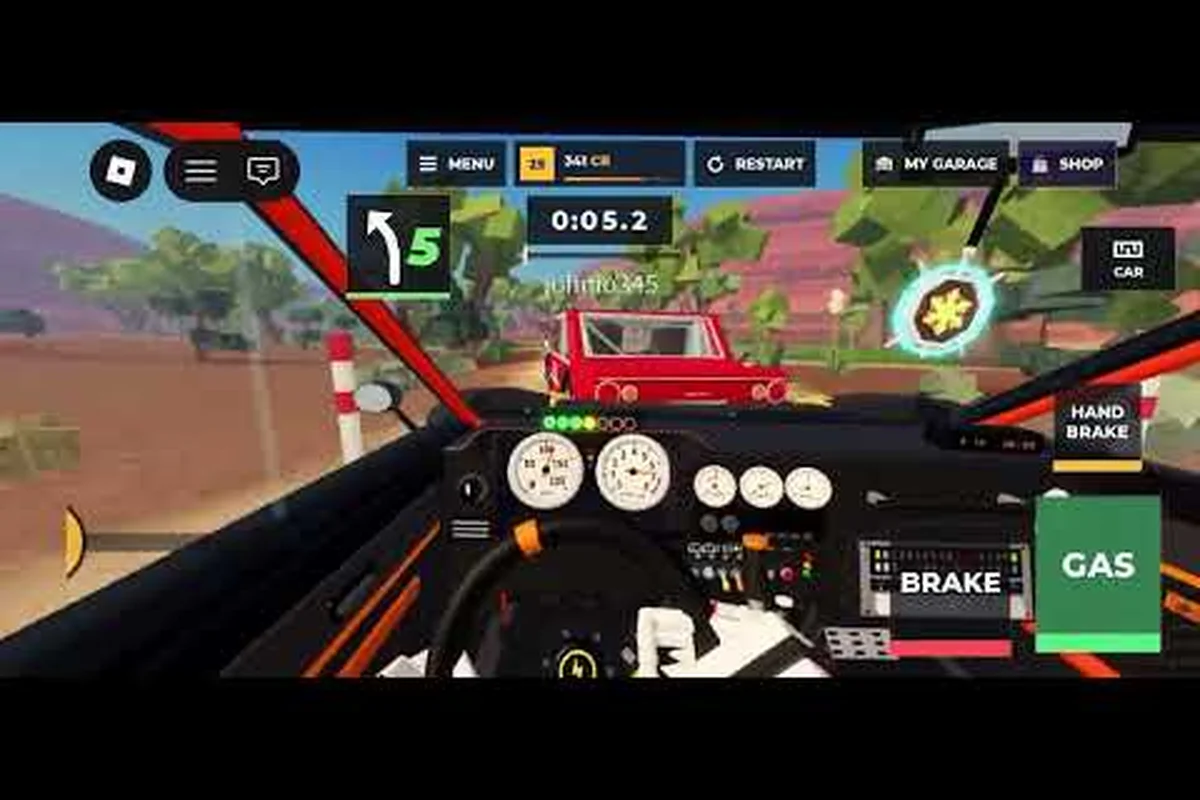
Backseat Rally Low Grip Guide: Throttle, Brakes, and Traction
Survive slippery Backseat Rally stages with this low grip guide covering throttle control, braking zones, and traction tips for rain, snow, and mud.
All Articles
Backseat Rally Mud Route: Gold Times and Grip-Saving Lines
Master the Backseat Rally mud route with grip-saving racing lines, braking zones, and exact gold medal times that cut seconds off every wet-stage attempt.
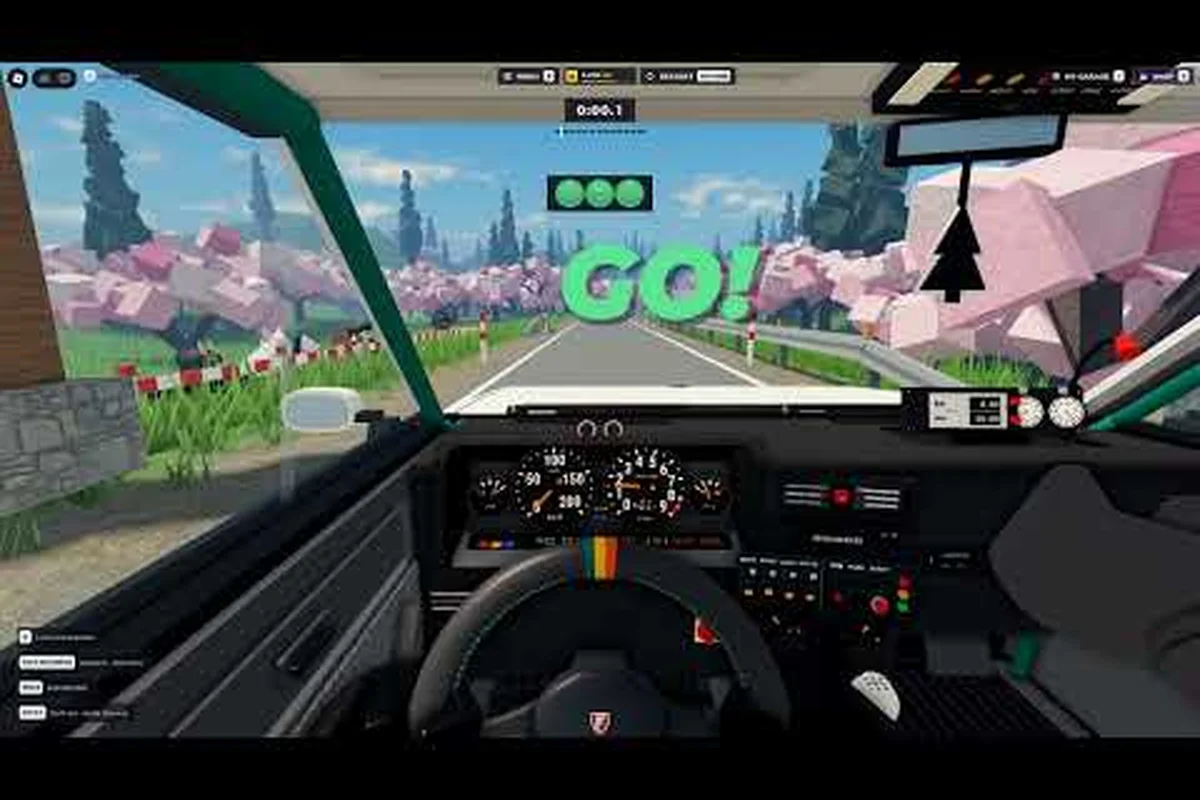
Backseat Rally Stage Weather: Grip, Calls, and Medal Pace
Plan around Backseat Rally stage weather with condition breakdowns, grip impact per surface, and co-driver call timing for rain, snow, and mud.
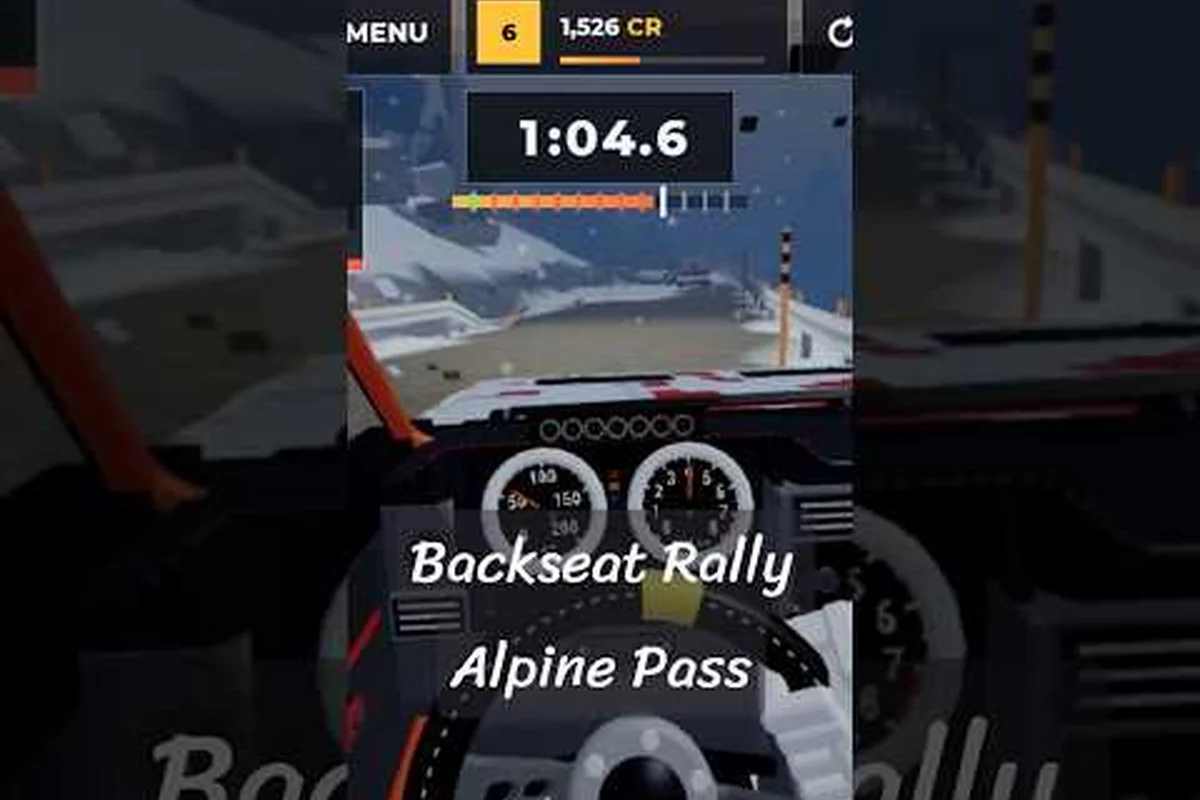
Backseat Rally Weather Guide: Rain and Snow Racing
Survive rain, snow, and mud with the Backseat Rally weather guide—grip shifts, braking zone tweaks, and co-driver calls that hold the fastest line.
Backseat Rally Winter Driving: Snow and Wet Stage Tactics
Conquer Backseat Rally winter driving with snow, wet, rain, and mud stage tactics that keep traction steady through every cold-weather checkpoint.